ERP MES Systems Guide: Streamlining Operations in 2026
Discover how ERP MES systems streamline manufacturing in 2026 with integration strategies, real-world examples, and expert tips to boost efficiency and reduce costs.

In 2026, global manufacturers are under intense pressure to stay competitive. Efficiency gains, cost control, and rapid adaptation are more important than ever. At the core of this new era are erp mes systems, driving the transformation on factory floors and in boardrooms alike.
This guide is your roadmap to understanding how erp mes systems are streamlining manufacturing operations. You will learn what these systems are, how they have evolved, and why their integration is crucial for success.
Curious if your operations are keeping pace with industry leaders? Discover how modern solutions are reshaping factories, enabling real-time insights, and reducing costly rework. Use this guide to future-proof your business and make informed decisions for your manufacturing journey.
Understanding ERP and MES Systems in 2026
Manufacturers in 2026 are leveraging erp mes systems to gain a competitive edge in a rapidly evolving landscape. To fully appreciate the role of these systems, it’s essential to understand their definitions, how they differ yet complement each other, the technology trends shaping them, and why seamless integration is now a necessity.
Defining ERP (Enterprise Resource Planning)
ERP systems are the backbone of business-wide operations, centralizing data for finance, supply chain, HR, inventory, and procurement. By unifying information, erp mes systems enable manufacturers to make informed decisions across departments.
Leading examples like SAP S/4HANA and Oracle ERP Cloud offer robust compliance and reporting features, ensuring regulatory adherence. Recent advancements include AI-driven analytics for forecasting and process optimization, as well as cloud-native platforms that support scalability and remote access.
This centralized approach not only streamlines workflows but also provides transparency and traceability from procurement to finished goods.
Defining MES (Manufacturing Execution Systems)
MES solutions focus on the shop floor, managing scheduling, production tracking, and quality control in real time. Integrated within erp mes systems, MES platforms such as Siemens Opcenter and Rockwell FactoryTalk collect granular data directly from machines and operators.
Key features include immediate feedback loops for swift issue resolution, minimizing downtime and waste. The adoption of IoT devices has enabled even more precise monitoring, allowing for predictive maintenance and improved product quality.
MES plays a pivotal role in ensuring efficient, adaptable production environments that respond quickly to changing demands.
Key Differences and Complementary Roles
While both are vital, erp mes systems serve distinct yet interconnected purposes. ERP handles high-level enterprise planning and resource allocation, while MES executes production orders and monitors shop-floor performance.
Feature | ERP | MES |
|---|---|---|
Focus | Enterprise-wide management | Shop-floor execution |
Core Users | Management, finance, planners | Operators, supervisors |
Data Flow | Plans and tracks resources | Executes and reports status |
Feedback Loop | Receives production data | Sends execution updates |
These systems complement each other, with MES feeding real-time production data back to ERP for analysis and continuous improvement. This synergy ensures end-to-end process optimization and empowers both management and operators.
Evolution of ERP and MES: Trends for 2026
The landscape of erp mes systems is rapidly transforming. Cloud-based, modular architectures are now standard, offering manufacturers the flexibility to scale and customize solutions according to their needs.
AI and machine learning are enhancing predictive maintenance and demand forecasting, while advanced cybersecurity protects sensitive data. Mobile accessibility and remote monitoring have become essential, enabling teams to oversee operations from anywhere.
Manufacturers increasingly seek solutions that are not only powerful but also adaptable, ensuring they can respond to shifting market conditions efficiently.
The Need for Integration in Modern Manufacturing
Today’s products are more complex, with shorter life cycles and higher customization. To keep pace, manufacturers require erp mes systems that support real-time decision-making and eliminate data silos.
Manual processes are being replaced by automated workflows, driven by the need for accurate, timely information. Regulatory demands for traceability and compliance add further pressure, especially in global supply chains prone to volatility.
For a deeper dive into the benefits of MES-ERP integration, including improved data accuracy and inventory management, explore this Cost-Effective Solutions: Integrate MES with ERP Systems in Manufacturing resource.
By integrating ERP and MES, manufacturers position themselves to adapt quickly, reduce risk, and maintain a consistent edge in a dynamic market.
How ERP and MES Integration Streamlines Operations
Modern manufacturers face constant pressure to deliver products faster, cheaper, and with higher quality. Integrating erp mes systems is now essential for companies looking to achieve real-time visibility, reduce manual tasks, and unlock efficiency across every layer of operations. Let’s explore how this integration delivers transformative results.
Data Synchronization and Real-Time Visibility
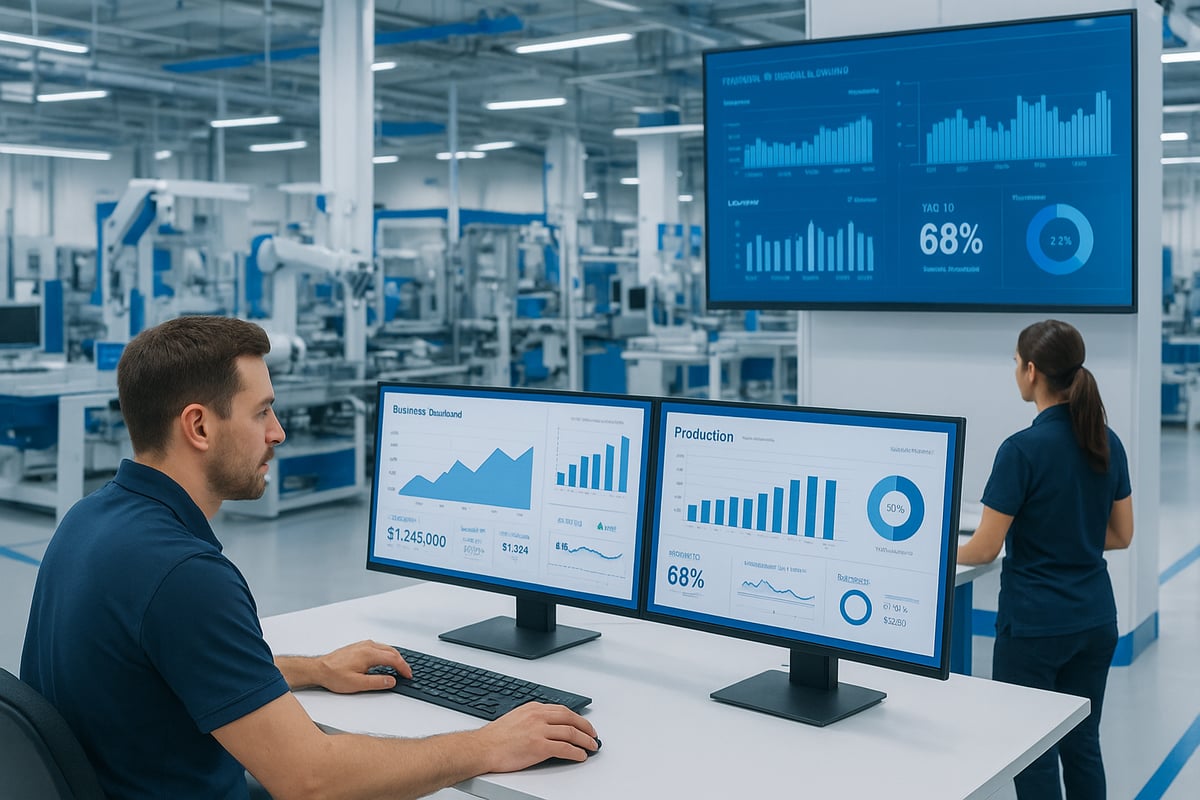
One of the biggest advantages of integrating erp mes systems is the creation of a unified data model. Information from every department—finance, inventory, production—flows seamlessly between the ERP and MES layers. This synchronization means real-time updates on inventory levels, work orders, and production status are available to everyone who needs them.
For example, in an automotive plant, managers used to wait hours for manual reports from the shop floor. With integrated erp mes systems, reporting lag has been slashed from hours to mere minutes. This enables leaders to react quickly to supply chain disruptions or production bottlenecks.
By eliminating manual data entry, companies reduce errors and ensure everyone is working with the most current information. Faster response times and better visibility drive smarter, more agile decision-making daily.
Workflow Automation and Process Optimization
Integrated erp mes systems automate repetitive tasks and streamline workflows. Production schedules and resource allocation can be updated automatically, with MES triggering ERP updates as soon as a job is completed or inventory is depleted. This automation reduces paperwork and eliminates the need for manual approvals.
Consider an electronics manufacturer facing frequent bill of materials changes. With connected erp mes systems, updates cascade instantly—ensuring procurement, production, and shipping are always in sync.
Automated workflows not only shorten lead times but also improve on-time delivery. Teams spend less time managing exceptions and more time focusing on value-added activities. For a deeper dive into integration strategies, consult Best Practices for Integrating MES with PLM and ERP.
Quality Management and Compliance
Quality assurance is at the heart of manufacturing. By integrating erp mes systems, manufacturers can capture detailed quality data at every production stage. The MES layer collects inspection results and process parameters, while ERP manages compliance documentation and audit trails.
Automated alerts notify teams of deviations or non-conformities in real time, allowing immediate corrective action. For pharmaceutical companies, this ensures full traceability from raw materials to finished batches, supporting regulatory compliance and minimizing recall risks.
With erp mes systems, all quality and compliance data is accessible in one place. This unified view not only makes audits easier but also helps identify patterns, reduce defects, and drive continuous improvement across operations.
Cost Reduction and Efficiency Gains
Reducing operational costs is a top priority for every manufacturer. Integrated erp mes systems cut costs by eliminating redundant data entry, optimizing inventory, and reducing stockouts or excess. Predictive maintenance becomes possible when AI and IoT data flow into the ERP, enabling proactive repairs that minimize downtime.
A factory that recently adopted connected erp mes systems reported a 15% reduction in raw material costs, thanks to improved planning and inventory control. Enhanced resource utilization means machines and teams are scheduled more efficiently, while waste is minimized.
These efficiency gains translate directly into higher margins and a stronger competitive advantage, making integration a strategic investment for manufacturers of all sizes.
Improved Decision-Making and Analytics
The real power of erp mes systems lies in their ability to turn data into actionable insights. By aggregating information from production, finance, and the supply chain, managers gain a holistic view of operations.
AI-driven dashboards and predictive analytics enable faster, more accurate forecasting. For instance, a food processing plant used erp mes systems to optimize schedules, reducing idle time and maximizing throughput. Self-service analytics empower both managers and operators to identify trends and act on them quickly.
With integrated systems, decision-makers are no longer reactive. They can anticipate challenges, evaluate scenarios, and adjust plans with confidence—setting the stage for continuous improvement and sustainable growth.
Key Steps to Implementing ERP MES Integration in 2026
Implementing erp mes systems in 2026 requires a clear, stepwise approach. Each phase, from initial assessment to ongoing improvement, is crucial for maximizing value and minimizing risk. Here’s how to ensure your integration journey is structured for success.

Step 1: Assess Current Systems and Define Objectives
Start by mapping out your existing erp mes systems landscape. Document every ERP, MES, and related application currently in use. Identify where data silos, manual inputs, or inefficiencies exist. Bring together stakeholders from IT, operations, and finance to ensure a holistic view.
Inventory all software and hardware components.
List current pain points and bottlenecks.
Define measurable objectives for integration.
For example, a textile manufacturer might uncover redundant data entry between their ERP and MES platforms, limiting visibility. By setting clear goals, you lay the groundwork for a focused integration strategy.
Step 2: Choose the Right Integration Approach
Selecting the best integration method is vital for seamless connectivity between erp mes systems. Consider whether point-to-point or middleware-based integration suits your business scale and complexity. Evaluate cloud-based versus on-premises models, prioritizing scalability, security, and future support.
Assess solutions for open APIs and interoperability.
Weigh vendor support and upgrade paths.
Compare modular and monolithic architectures.
For a detailed roadmap, refer to this 8 Steps to Follow for an MES Implementation guide, which covers integration choices and employee training essentials.
Step 3: Data Mapping and Harmonization
A successful integration depends on harmonizing data structures across erp mes systems. Align master data, such as products and batches, to ensure consistency. Address quality gaps and legacy compatibility issues early.
Standardize naming conventions.
Establish master data management protocols.
Cleanse and validate all critical data sets.
A pharmaceutical company, for instance, may synchronize batch and lot tracking between ERP and MES, eliminating discrepancies and improving traceability.
Step 4: Process Redesign and Change Management
Integration is not just technical—it transforms workflows. Redesign business processes to leverage the full capabilities of connected erp mes systems. Train staff across all levels, and communicate changes clearly to drive adoption.
Redefine workflows for automation.
Set up pilot projects for phased rollout.
Develop a change management and training plan.
A garment manufacturer might pilot integration on a single line, gather feedback, and scale up after confirming improvements.
Step 5: Testing, Monitoring, and Continuous Improvement
Thorough testing ensures your erp mes systems integration works as planned. Conduct both technical and user acceptance testing. Set up KPIs and dashboards to monitor real-time performance, and gather user feedback for ongoing refinements.
Test data flows and system interoperability.
Monitor KPIs like OEE and lead time.
Establish processes for regular updates and scaling.
For example, an electronics firm might track OEE improvements after launch, using insights to optimize further.
Common Pitfalls and How to Avoid Them
Even the best plans can face setbacks with erp mes systems integration. Common pitfalls include underestimating data complexity, neglecting user training, or overlooking cybersecurity. Lack of executive buy-in or planning for future growth can also stall progress.
Recognize and address data complexity upfront.
Secure leadership support and invest in training.
Prioritize cybersecurity and compliance.
Plan for scalability from day one.
Learning from competitor missteps and maintaining a proactive approach will help ensure your integration is a lasting success.
Real-World Use Cases: ERP MES Integration Success Stories
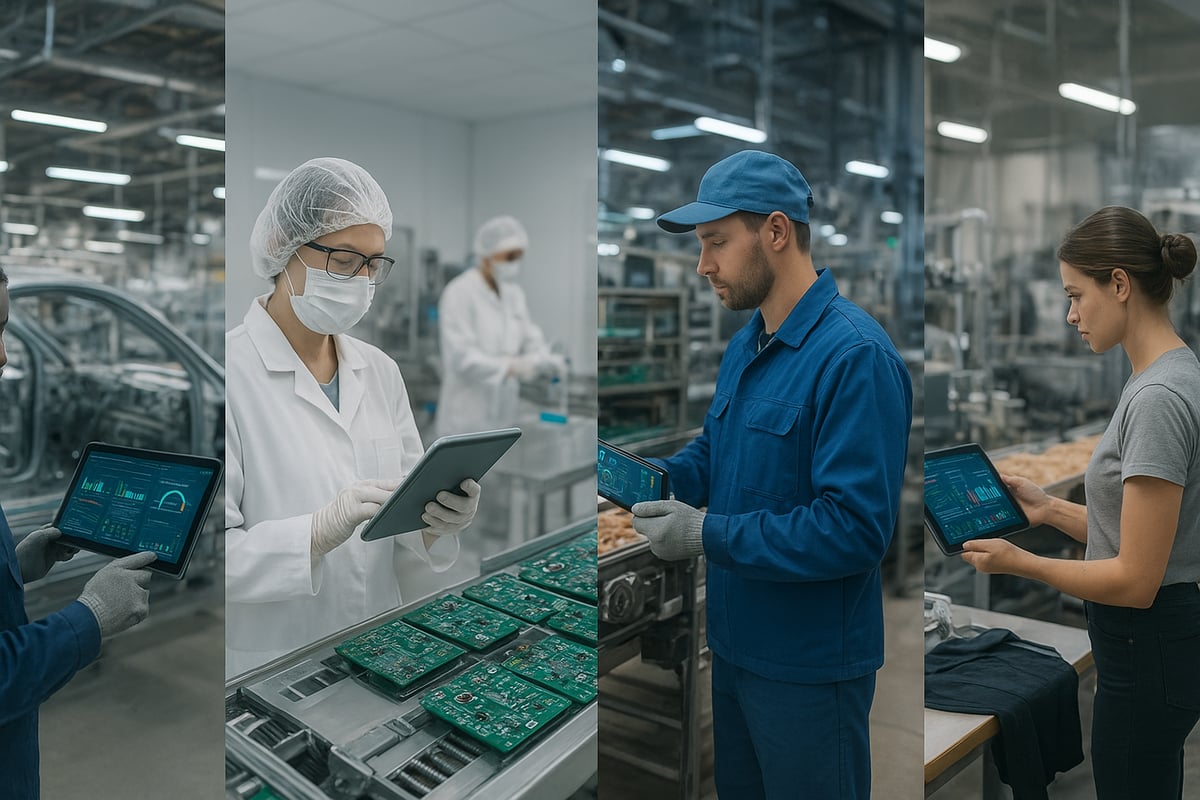
Manufacturers across diverse sectors are leveraging erp mes systems to drive operational excellence. Below, we explore how integration delivers measurable results, from faster lead times to improved compliance and flexibility. Each case highlights the transformation possible with modern erp mes systems.
Automotive Manufacturing: Reducing Lead Times
Automotive manufacturers face intense competition and complex supply chains. Integrating erp mes systems enables real-time order tracking and automated scheduling, creating seamless communication between business and shop-floor operations.
A global auto parts supplier, for example, implemented integration to streamline assembly. The result was a 25 percent reduction in lead times. Their on-time delivery rates improved significantly, while inventory turnover increased. This case demonstrates how erp mes systems can transform responsiveness and efficiency in automotive production.
Pharmaceutical Industry: Ensuring Compliance and Traceability
Pharmaceutical companies must meet strict regulatory standards. By integrating erp mes systems, these organizations capture batch records using MES, while ERP manages compliance documentation.
An Indian pharma company adopted such integration to automate alerts for deviations and enable rapid audit readiness. This approach led to a 40 percent reduction in compliance-related incidents. The erp mes systems provided end-to-end traceability, making regulatory inspections seamless and reducing risk across the supply chain.
Electronics Manufacturing: Enhancing Quality and Reducing Rework
Quality and speed are crucial in electronics manufacturing. Integrating erp mes systems allows MES to collect process data while ERP analyzes trends for quality improvements.
A leading consumer electronics firm eliminated manual rework orders through integration. Defect rates dropped by 30 percent, and first-pass yield improved by 20 percent. These results show how erp mes systems drive measurable ROI and quality gains. For more on the financial impact, read about the Benefits of Manufacturing Execution Systems (MES) in Terms of ROI.
Food & Beverage: Optimizing Inventory and Reducing Waste
Food and beverage processors rely on accurate inventory and minimal waste. ERP MES systems provide real-time inventory updates, enabling demand-driven production planning and preventing overproduction.
A dairy processor, for instance, leveraged integration to cut wastage by 18 percent. They achieved better inventory accuracy and fewer stockouts, ensuring product freshness. The erp mes systems empowered managers to make quick, data-driven decisions, supporting both sustainability and profitability.
Apparel & Garment: Scaling Production with Flexibility
The apparel industry demands rapid adaptation to trends and fluctuating order sizes. Integrating erp mes systems lets MES schedule flexible work orders while ERP manages raw material procurement.
A garment exporter used this approach to scale up for seasonal demand spikes. They achieved a 15 percent faster turnaround on custom orders. With erp mes systems, the company maintained agility and met changing customer needs without sacrificing quality or efficiency.
Future Trends: The Next Generation of ERP MES Systems
As manufacturers look to the future, the next generation of erp mes systems is rapidly evolving to meet new challenges. The convergence of cutting-edge technologies is transforming how factories operate, enabling greater agility, efficiency, and data-driven decision-making. Organizations that leverage these innovations will be better positioned to thrive in an increasingly competitive landscape.
AI and Machine Learning for Predictive Operations
Artificial intelligence and machine learning are revolutionizing erp mes systems by enabling predictive operations across manufacturing environments. These technologies analyze vast amounts of production and business data to forecast demand, optimize scheduling, and predict equipment failures before they occur.
For example, factories can use machine learning models to detect anomalies in sensor data, allowing for proactive maintenance that reduces unplanned downtime. AI-driven insights also support automated recommendations for adjusting production schedules, resource allocation, and inventory management.
Manufacturers in India are increasingly adopting AI-powered manufacturing solutions to automate manual tasks and improve operational efficiency. By integrating AI with erp mes systems, companies can achieve faster response times, minimize waste, and ensure quality standards are consistently met.
Industrial IoT and Edge Computing
The integration of industrial IoT and edge computing is a significant trend in erp mes systems. Connected machines, sensors, and devices stream real-time data directly from the shop floor, providing granular visibility into every aspect of production.
Edge computing processes this information locally, enabling instant decision-making and rapid feedback loops. This reduces latency and ensures that critical events, such as quality deviations or machine malfunctions, are addressed immediately.
For instance, a packaging plant can use IoT-enabled cameras and sensors to monitor product quality in real time, triggering corrective actions if defects are detected. With erp mes systems leveraging IoT, manufacturers benefit from enhanced traceability and improved process control.
Cloud-Native and Modular Architectures
Cloud-native and modular architectures are transforming how erp mes systems are deployed and scaled. By moving to the cloud, manufacturers gain flexibility, lower IT overhead, and the ability to deploy updates rapidly without disrupting operations.
Modular systems allow organizations to implement only the features they need, expanding functionality as their business grows. This is particularly valuable for MSMEs seeking quick ROI and minimal disruption.
A mid-sized manufacturer might start with basic inventory and scheduling modules, then add advanced analytics or quality management as needed. Cloud-based erp mes systems also support remote monitoring and mobile access, empowering teams to manage operations from anywhere.
Enhanced Cybersecurity and Data Governance
As digital transformation accelerates, cybersecurity and data governance become critical for erp mes systems. Advanced encryption, role-based access controls, and automated threat detection protect sensitive production and business data.
Manufacturers must ensure data integrity to comply with industry regulations and avoid costly breaches. Automated tools can monitor for suspicious activity and enforce compliance policies in real time.
For example, a company implementing multi-factor authentication and strict access controls can significantly reduce the risk of unauthorized access. With erp mes systems, robust data governance practices support audit readiness and long-term business resilience.
User Experience: Mobile, Voice, and Self-Service Analytics
Modern erp mes systems prioritize user experience, making advanced capabilities accessible to shop-floor operators and managers alike. Mobile applications enable real-time data entry and task management directly from the production floor, increasing agility and reducing delays.
Voice-enabled commands simplify information retrieval, allowing users to check inventory levels or production status hands-free. Self-service analytics dashboards empower employees to explore data, identify trends, and make informed decisions without relying on IT teams.
A supervisor might use a mobile app to resolve a production bottleneck, while operators track performance metrics through intuitive dashboards. Enhanced user experience ensures that erp mes systems deliver value at every level of the organization.
Best Practices and Recommendations for ERP MES Success
Implementing erp mes systems successfully requires more than just the right technology. To realize full value, organizations must focus on practical strategies that drive adoption, maintain data integrity, and support ongoing growth. Below, we explore actionable best practices to guide your journey.
Building a Cross-Functional Implementation Team
A successful erp mes systems rollout begins with assembling a cross-functional team. This group should include IT experts, operations leads, finance representatives, and shop-floor staff. Each team member brings unique insights, ensuring the solution addresses both business and production needs.
Assign clear roles and responsibilities for every stakeholder.
Foster regular communication through weekly integration standups.
Encourage collaboration to break down departmental barriers.
By involving a broad mix of users, you ensure your erp mes systems reflect real-world workflows. Cross-functional teams also accelerate issue resolution and promote shared ownership of project outcomes.
Prioritizing Data Quality and Governance
High-quality data is the backbone of any erp mes systems deployment. Investing in data cleansing and establishing robust master data management protocols is critical. Clear data ownership and stewardship help prevent errors and maintain consistency.
Regularly validate and standardize key data fields.
Define who is responsible for updating and verifying information.
Monitor data quality metrics to catch issues early.
For manufacturers integrating ERP with accounting solutions, understanding Tally integration in manufacturing can further streamline data governance. Consistent, accurate data empowers decision-makers and supports compliance across all levels of the business.
Focusing on User Training and Adoption
Even the best erp mes systems will falter without user buy-in. Tailored training programs for each user group are essential. Shop-floor operators, supervisors, and managers all need role-specific instruction to build confidence.
Provide hands-on training sessions and digital learning resources.
Set up ongoing support channels for user questions.
Use gamification and incentives to encourage engagement.
By prioritizing training, organizations see faster adoption and fewer errors. A well-supported workforce is more likely to embrace new processes, maximizing the return on investment in erp mes systems.
Leveraging Analytics for Continuous Improvement
Integrated erp mes systems generate a wealth of data. Leveraging this information through analytics can reveal hidden inefficiencies, bottlenecks, and opportunities for growth. Setting up clear KPIs and regular review cycles ensures progress stays on track.
Use real-time dashboards to monitor production and financial performance.
Conduct monthly analytics reviews to evaluate cycle times and output.
Encourage a culture of data-driven decision-making at all levels.
For additional insights into manufacturing analytics trends, explore the Manufacturing technology blog, which covers the latest innovations in erp mes systems. Continual improvement is only possible when data is used proactively and strategically.
Ensuring Scalability and Flexibility
Manufacturers must select erp mes systems that can evolve with their business. Modular solutions allow for easy addition of new features, integrations, or production sites as needs change. Planning for scalability prevents costly rework and system overhauls down the line.
Choose platforms with open APIs and strong vendor support.
Anticipate future integrations, such as PLM or supply chain partners.
Test the system’s ability to expand to new markets or product lines.
Flexible erp mes systems support growth and help organizations adapt to shifting market demands. With the right foundation, your manufacturing operations will remain competitive and resilient in the years ahead.
As you’ve seen throughout this guide, integrating ERP and MES systems is essential for streamlining your factory’s operations and staying competitive in 2026. If you’re looking for practical ways to reduce manual work, cut costs, and empower your team with real-time insights, Trakto’s AI-powered manufacturing software is built for Indian manufacturers like you. Whether you want help with inventory, production scheduling, or seamless integration with Tally, we’re here to make the transition smooth and effective. If you’d like to discuss how these solutions could fit your business, just Whatsapp Us for a quick chat.